
Seasonal Pet Care Tips for Surrey Residents


Introduction to Seasonal Pet Care
As the seasons change in Surrey, so do the needs of our pets. Each season brings unique challenges and opportunities for pet care. Whether you have a dog, cat, or another type of pet, it's essential to adapt your care routine to ensure their health and happiness.

Spring: Time for Renewal
Allergy Awareness
Spring is a beautiful time in Surrey, but it can also trigger allergies in pets. Keep an eye out for symptoms such as sneezing, itching, or watery eyes. Consider consulting your vet about pet-friendly allergy medications if necessary.
Flea and Tick Prevention
As the weather warms, fleas and ticks become more active. It's important to start or continue a preventive regimen. Check your pet regularly and consult your vet for the best preventative treatments.
Summer: Keeping Cool
Hydration and Shade
Ensure your pets have access to plenty of fresh water and shaded areas during the hot summer months. Overheating can lead to serious health issues, so never leave your pet in a hot car, even for a short period.

Exercise Adjustments
Try to walk your dog during the cooler hours of the day, such as early morning or late evening. Pay attention to the hot pavement, which can burn their paws. You might even consider protective booties for extra care.
Autumn: Preparing for the Chill
Coat Care
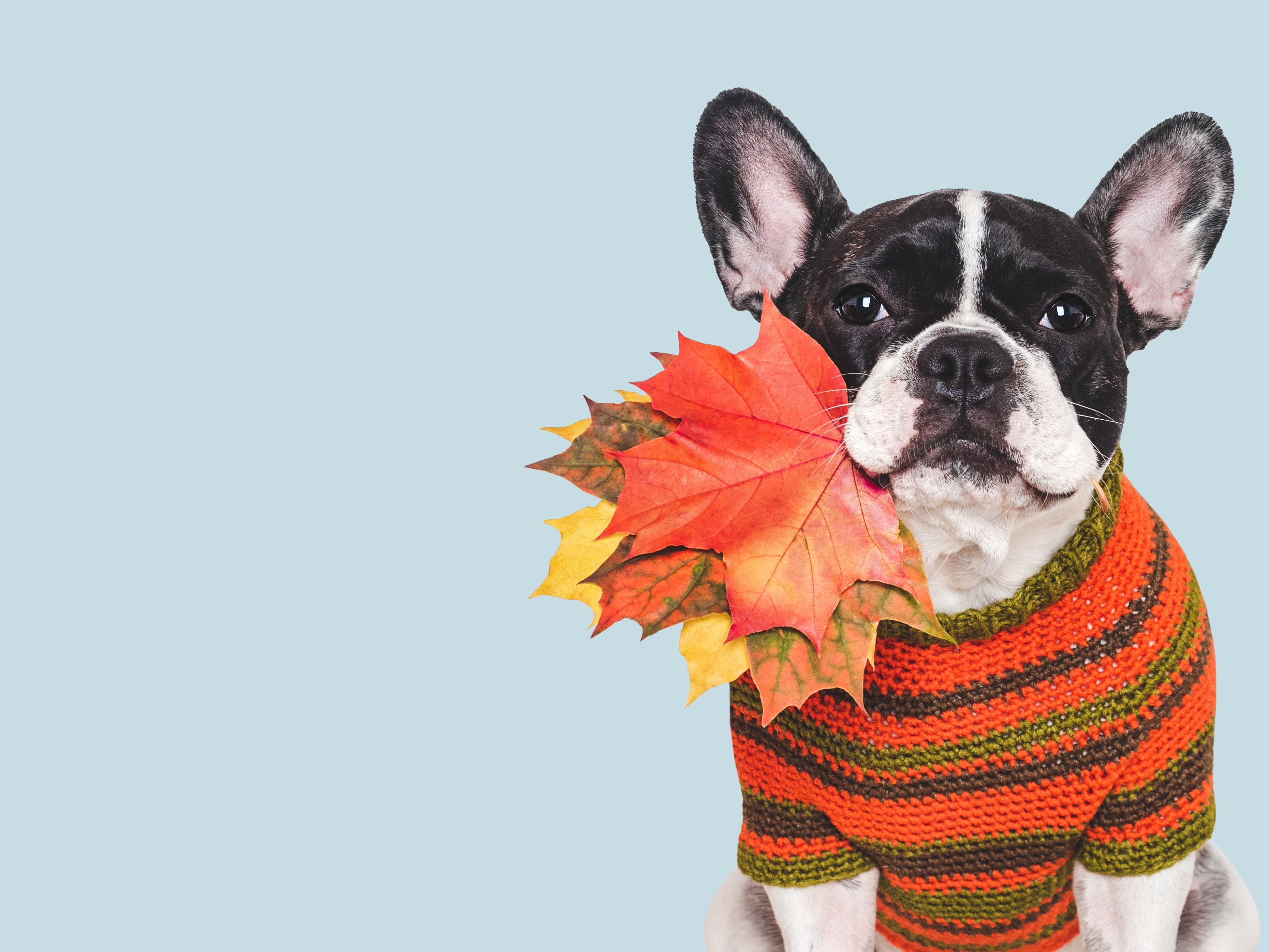
As temperatures drop, your pet's coat will begin to thicken. Regular grooming helps manage shedding and keeps their coat healthy. For pets with shorter fur, consider a pet sweater for added warmth.
Outdoor Safety
Falling leaves can hide hazards, such as sharp objects or holes. Be vigilant during walks to prevent any injuries. It's also a great time to update your pet's microchip information, just in case they wander off during an autumn adventure.
Winter: Staying Warm
Indoor Comfort
During the cold winter months, ensure your pets have a warm and comfortable place to rest. A cozy bed away from drafts can help keep them snug and healthy. Consider using a humidifier to combat dry indoor air.
Diet Adjustments
Some pets may require more calories during the winter to maintain their energy levels. Consult with your veterinarian to determine if dietary changes are needed for your pet's specific needs.
Conclusion
Adapting to seasonal changes is vital for your pet's well-being. By staying informed and making the necessary adjustments, you can ensure that your furry friends remain happy and healthy throughout the year. Always consult with a veterinarian for personalized advice tailored to your pet's needs.